
A cracked tooth, a large old filling that’s finally giving out, or a tooth that’s simply lost its shape over the years these are the everyday problems that bring most patients to porcelain dental crowns in Bergen County, NJ. A crown isn’t a cosmetic shortcut; it’s a full restoration that rebuilds a damaged tooth from the outside in, giving it back its strength and its natural appearance at the same time.
This guide walks through what a crown actually is, how it’s made, what to expect during treatment, and why the details matter more than most patients realize.
What a Porcelain Crown Actually Does
A crown is a custom-made cap that fits completely over a damaged or weakened tooth, restoring its shape, size, and strength while protecting what remains of the natural tooth underneath. Unlike a filling, which repairs a portion of a tooth, a crown covers the entire visible structure above the gumline, which is why crowns are used for teeth that are too damaged for a filling alone but not damaged enough to require extraction.
Patients researching porcelain dental crowns in Bergen County, NJ are usually dealing with one of a few situations: a tooth that’s cracked or fractured, a tooth with a large filling that’s failed, a tooth after a root canal that needs reinforcement, or a tooth that’s simply worn down or misshapen and affecting the look of the smile.
Types of Porcelain Crowns
Not all crowns are built the same way, and the type used affects both appearance and cost.
Porcelain-fused-to-metal crowns use a metal base for extra strength, with porcelain layered on top for a natural look. These are a reliable option, particularly for back teeth that handle heavy chewing pressure.
A full porcelain ceramic crown in Bergen County, NJ skips the metal base entirely, using high-strength ceramic materials like zirconia or lithium disilicate. These crowns offer the most natural, translucent appearance, closely mimicking how light passes through real enamel, which makes them the preferred choice for front teeth and any tooth visible when smiling.
Why Patients Choose Crowns over Other Options
Full-coverage protection:
Unlike cosmetic bonding, which repairs smaller areas of damage, a crown covers the entire tooth structure, making it a better fit for teeth with significant cracks, wear, or failed fillings.
Preserves the natural root:
Compared to extraction, a crown keeps the tooth’s root intact, which helps maintain jawbone density and can prevent the need for a bridge or implant down the road.
Untreated damage tends to worsen:
A crack or failing filling rarely stays the same size; daily chewing pressure often turns a small, fixable problem into one that eventually requires extraction instead of a crown.
The more conservative long-term choice:
Treating a damaged tooth early with a crown is almost always less invasive and less costly than waiting until extraction becomes the only option left.
What to Expect During Treatment
The process for porcelain dental crowns in Bergen County, NJ typically involves two visits. During the first, the damaged tooth is reshaped to make room for the crown, an impression or digital scan is taken, and a temporary crown is placed to protect the tooth while the permanent one is crafted.
At the second visit, the custom crown matched precisely to tooth shade, shape, and bite is fitted, adjusted, and permanently bonded into place.
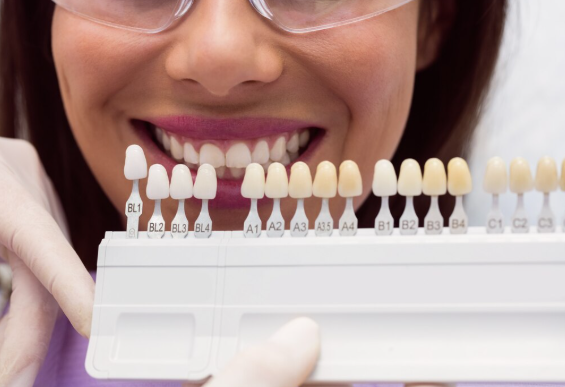
Patients who need a full porcelain ceramic crown in Bergen County, NJ, for a highly visible front tooth often go through an additional shade-matching step, ensuring the crown blends seamlessly with the surrounding natural teeth rather than standing out.
Built to Last, With the Right Care
A well-made porcelain crown can comfortably last 10 to 15 years or longer with proper care. That means brushing and flossing normally around the crown, avoiding excessive pressure on it (like chewing ice or using teeth as tools), and keeping up with regular checkups so any early wear is caught before it becomes a bigger issue.
A Practice Built Around Precision
Dr. Paula S. Gould brings decades of experience in cosmetic and restorative dentistry to every crown placed, which is why patients researching porcelain dental crowns in Bergen County, NJ consistently choose a provider who treats each crown as a precise, custom restoration — not a routine, one-size-fits-all fix.
FAQs
How do I know if I need a crown instead of a filling?
If a tooth has lost too much structure to hold a filling securely, or is cracked, weakened, or recently treated with a root canal, a crown is typically the more durable solution — this is assessed during an exam.
Does getting a crown hurt?
The procedure is done under local anesthesia, so patients are comfortable throughout. Mild sensitivity for a few days afterward is normal.
How long does the crown process take?
Most crowns are completed in two visits over a few weeks, allowing time for the permanent crown to be custom-crafted to match the tooth precisely.
Will a porcelain crown look natural?
Yes, porcelain crowns, especially full ceramic options, are shade-matched and shaped to blend in with surrounding teeth, particularly important for front teeth.
Is a crown covered by dental insurance?
Many insurance plans cover a portion of crown treatment when it’s medically necessary. Coverage is verified before treatment begins.
Ready for a Stronger, More Natural Smile?
A damaged tooth doesn’t have to mean a smile you’re self-conscious about. Book a consultation with Paula S Gould DDS Cosmetic & Implant Dentistry today, and find out exactly what crown is right for your tooth, your bite, and your smile — built to last, not just to patch things up.