A missing tooth rarely stays a small problem. It changes how you chew, how your bite settles, and often how quickly you cover your mouth when you laugh. For patients across Allendale, Ramsey, Ridgewood, and the surrounding towns, dental bridges in Bergen County, NJ, have become one of the most trusted ways to close that gap, restoring both the look of a full smile and the everyday function that a missing tooth quietly takes away.
At Paula S Gould DDS Cosmetic & Implant Dentistry, bridges are built for real chewing, real speech, and a real match to the teeth beside them not a generic fix.
Why a Gap Doesn’t Fix Itself
When a tooth is lost, the teeth around it don’t stay put. Neighboring teeth drift toward the empty space, opposing teeth can over-erupt, and the bite gradually shifts out of balance. Over months and years, this can lead to uneven wear, jaw discomfort, and a higher risk of losing additional teeth. A bridge holds that line — literally bridging the gap so the rest of the bite stays supported.
How a Dental Bridge Works
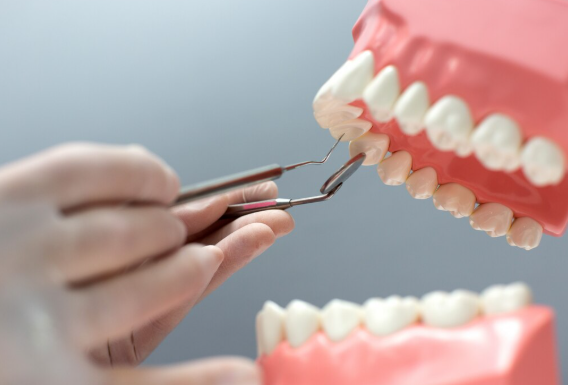
A traditional bridge uses the two teeth on either side of the gap — called abutment teeth — as anchors. Those teeth are shaped to hold all-porcelain crowns, and a custom-made false tooth (called a pontic) is fused between them, closing the space with a piece that looks and functions like a natural tooth. For patients who prefer not to alter the adjacent teeth, an implant-supported bridge anchors to a cosmetic implant instead, preserving more of the surrounding natural tooth structure.
Every bridge is color-matched, shaped, and fitted specifically to the patient’s bite — which is a big part of why patients seeking dental bridges in Bergen County, NJ choose a practice with cosmetic dentistry experience rather than a general fix.
What Bridges Actually Restore
- Chewing ability — full pressure and function on both sides of the mouth
- Speech clarity — gaps, especially in the front teeth, can affect certain sounds
- Facial shape — missing back teeth can subtly change how the lower face is supported over time
- Confidence — a closed gap means not thinking twice before smiling in a photo or a conversation
What Drives the Cost of a Bridge
One of the most common questions patients bring in is about dental bridge cost in Bergen County, NJ, and the honest answer is that it depends on a few specific factors: how many teeth need replacing, whether the bridge is tooth-supported or implant-supported, the material used (porcelain, porcelain-fused-to-metal, or all-ceramic), and whether any preparatory work like a filling or minor gum treatment is needed first.
Traditional bridges are generally the more affordable option upfront, while implant-supported bridges cost more initially but tend to last longer and protect the jawbone underneath the gap. During a consultation, patients get a clear, itemized breakdown before any treatment begins, not a vague estimate. Many patients are also surprised that dental insurance often covers a portion of bridge treatment, and flexible financing is available for the remainder.
Built With Precision, Backed by Experience
Every bridge placed at this practice is planned with the same attention that goes into cosmetic cases: bite alignment, color-matching, and long-term comfort, not just filling the space. Dr. Paula S. Gould brings decades of experience in cosmetic and restorative dentistry to every case, which is exactly why patients researching dental bridges in Bergen County, NJ consistently choose a provider who treats a bridge as a piece of dental craftsmanship, not a routine part swap.
What to Expect, Start to Finish
- Consultation and imaging: a full evaluation of the gap, the surrounding teeth, and bite alignment
- Preparation: abutment teeth are shaped, or a cosmetic implant is placed, depending on the bridge type
- Custom fabrication: the bridge is crafted to match tooth shade, shape, and bite precisely
- Fitting and adjustment: the bridge is checked for comfort, bite balance, and appearance before final placement
- Follow-up care: guidance on cleaning under the bridge to protect it for years to come
With proper care, a well-made bridge can comfortably last 10-15 years or longer.
FAQs
How long does it take to get a dental bridge?
Most bridges take two to three visits over a few weeks, enough time for precise fabrication and a proper fit, without dragging the process out.
Is getting a dental bridge painful?
The procedure is done under local anesthesia, and most patients report mild sensitivity afterward rather than significant pain.
Can a dental bridge be replaced later with an implant?
In many cases, yes, though the best option depends on the health of the surrounding teeth and bone, which is best assessed during a consultation.
Does insurance cover dental bridges?
Many dental insurance plans cover a portion of bridge treatment. The team can help verify coverage and walk through financing options before treatment starts.
How do I clean a dental bridge?
A bridge is cleaned with regular brushing plus a floss threader or water flosser to clean underneath the pontic. The office provides hands-on guidance at your fitting appointment.
Ready to Close the Gap?
A missing tooth doesn’t have to be something you plan your smile around. Book a consultation with Paula S Gould DDS Cosmetic & Implant Dentistry today, and find out exactly what your bridge would look, fit, and cost like — no guesswork, no pressure, just a clear plan to get your full smile back.