
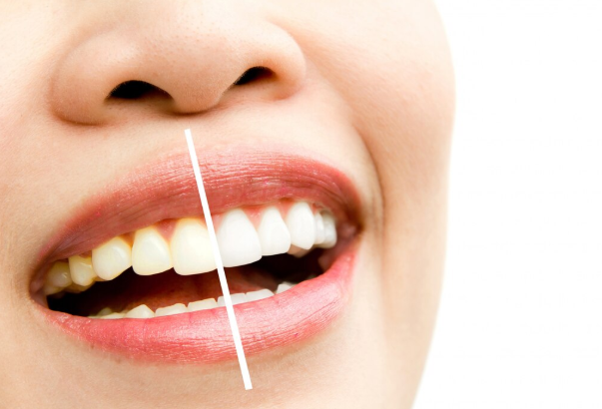
Professional teeth whitening is generally well tolerated, although some patients may experience temporary tooth sensitivity or mild gum irritation. With teeth whitening services in Bergen County, NJ, your dentist can evaluate your teeth and gums, discuss your whitening goals, and recommend an approach based on your individual needs. Understanding the process and possible sensitivity can help you feel more comfortable before treatment.
Understanding Teeth Whitening Sensitivity
Temporary sensitivity is one of the more common effects associated with teeth whitening. Whitening products use peroxide-based ingredients to break down certain stains and discoloration. During this process, some patients may notice increased sensitivity to cold, heat, or sweet foods and drinks.
Sensitivity is generally temporary, but the experience can vary from person to person. Some patients may notice only minor sensitivity, while others may be more aware of temperature changes for a short period after treatment.
If you already have sensitive teeth, mention this during your consultation. Your dentist can consider your dental history and current tooth sensitivity when determining whether professional whitening is appropriate for you.
The Professional Whitening Appointment
A professional whitening visit begins with an evaluation rather than immediately applying a whitening product. Your dentist can examine your teeth and gums and discuss what you would like to improve.
The appointment may include:
- Consultation and examination: Your dentist evaluates your teeth, gums, existing restorations, and the type of discoloration present.
- Discussion of your goals: You can explain how much you would like to brighten your smile and discuss your expectations.
- Treatment planning: Your dentist determines whether professional whitening is appropriate and explains the recommended approach.
- Whitening treatment: The whitening product is applied according to the treatment plan.
- Comfort monitoring: Your dental team can monitor your comfort throughout the appointment.
- Result review: Your dentist can discuss the appearance of your smile and provide recommendations for maintaining your results.
The length of an appointment can vary depending on the whitening approach and your individual needs.
Benefits of Professional Teeth Whitening
Professional whitening offers the benefit of having your teeth evaluated before treatment. This is important because different types of discoloration may respond differently to whitening. A dentist can also identify dental concerns that could affect treatment. Existing crowns, veneers, fillings, or other restorations may not change color in the same way as natural teeth.
With professional teeth whitening in Bergen County, NJ, treatment can be planned around the condition and appearance of your individual smile instead of relying on the same approach for every patient. Professional care also gives you an opportunity to discuss your desired shade and any concerns about sensitivity before treatment begins.
Managing Sensitivity During and After Treatment
If sensitivity is a concern, tell your dentist before whitening begins. Your dental professional can consider your existing sensitivity and dental history when recommending treatment.
Depending on your circumstances, your dentist may discuss ways to reduce temporary discomfort or adjust the whitening approach. Following the professional instructions provided after treatment can also help you manage sensitivity while your teeth return to their normal comfort level.
It is also important to distinguish temporary whitening sensitivity from discomfort caused by an existing dental problem. Cavities, cracked teeth, worn enamel, gum concerns, or other dental conditions may need attention before cosmetic whitening is considered.
Aftercare for a Brighter Smile
Following your dentist’s recommendations can help you maintain your whitening results and stay comfortable after treatment.
You may be advised to:
- Follow your dentist’s aftercare instructions for the recommended period.
- Use sensitivity toothpaste if your dentist recommends it for temporary sensitivity.
- Limit foods and drinks that may stain your teeth according to your dentist’s post-treatment guidance.
- Maintain good oral hygiene by brushing and flossing regularly.
- Attend recommended follow-up appointments if additional whitening or cosmetic treatment is needed.
Your dentist can provide specific instructions based on your treatment and individual dental needs.
Teeth Whitening Candidacy
Many adults may be candidates for professional teeth whitening, but suitability depends on the condition of your teeth and gums, the type of discoloration, and whether you have existing restorations.
Whitening generally affects natural teeth. Crowns, veneers, and fillings may not respond to whitening in the same way as natural enamel. If you have visible restorations and want a more uniform smile, your dentist can discuss other cosmetic options that may be appropriate.
A consultation can also help determine whether whitening is the right choice or whether another cosmetic treatment may better address your concerns.
Combining Whitening With Other Cosmetic Treatments
Whitening may sometimes be part of a broader cosmetic dental plan. Patients who have concerns about tooth color as well as tooth shape, spacing, or minor imperfections may discuss treatments such as cosmetic bonding or porcelain veneers.
For example, whitening may brighten natural teeth, while cosmetic bonding can address a small chip or uneven edge. Porcelain veneers may be considered when additional changes to the appearance of suitable teeth are desired.
The appropriate combination depends on your dental condition and cosmetic goals. A personalized evaluation can help determine which treatments make sense for your smile.
Frequently Asked Questions
1. Does teeth whitening hurt?
Teeth whitening is generally well tolerated, but some patients may experience temporary sensitivity or mild gum irritation. Your dentist can evaluate your smile beforehand and discuss ways to make treatment more comfortable.
2. How long does teeth whitening sensitivity last?
Sensitivity after whitening is usually temporary, although the duration can vary between patients. If sensitivity continues or becomes uncomfortable, contact your dentist for guidance rather than ignoring the symptoms.
3. Is professional teeth whitening safer than DIY whitening?
Professional whitening allows a dentist to evaluate your teeth and gums before treatment and recommend an appropriate approach. This can help identify existing dental concerns and ensure treatment is planned around your individual needs.
4. Can I whiten my teeth if I have sensitive teeth?
Some patients with sensitive teeth may still be candidates for whitening. Tell your dentist about your sensitivity before treatment so your dental team can determine whether whitening is appropriate and discuss suitable options.
5. Can crowns and veneers be whitened?
Whitening products generally affect natural teeth rather than changing the color of existing crowns or veneers. Your dentist can evaluate your restorations and explain how whitening may affect the overall appearance of your smile.
Book Your Whitening Consultation
If you are considering professional teeth whitening, a personalized consultation can help determine which option may suit your smile. Paula S Gould DDS Cosmetic & Implant Dentistry provides cosmetic dental care based on each patient’s individual needs and goals. Schedule a consultation in Allendale, NJ, to discuss your desired results, potential sensitivity, and available whitening options with the dental team.